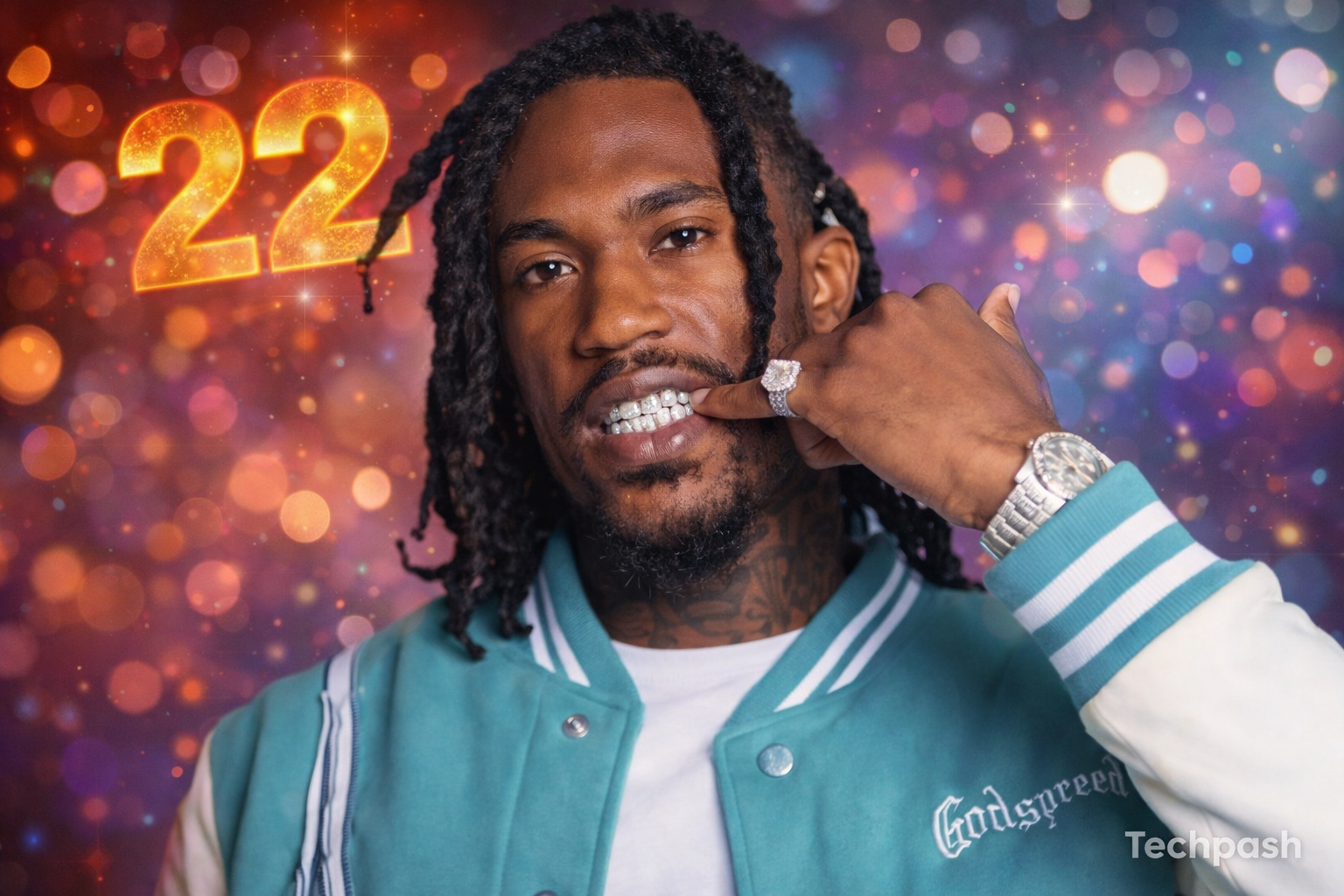
Hunxho is one of the rising voices in modern hip‑hop, known for his emotional storytelling, melodic delivery, and raw reflections on life experiences. As his music continues to gain attention across streaming platforms and social media, many fans are curious about the details of his life—especially Hunxho age and how his journey shaped his career. Understanding his background helps listeners connect more deeply with his music, which often blends vulnerability with street‑influenced storytelling.
Born in 1999, Hunxho represents a new generation of artists who grew up during the streaming era of music. This generation of rappers built audiences through digital platforms and viral momentum rather than traditional industry pathways. Hunxho’s story reflects that shift. His rise shows how authenticity and persistence can transform a young artist into a respected voice in the rap scene.
Hunxho Age and Early Life
Hunxho was born on June 20, 1999, which means he is in his mid‑twenties as of 2026. While still young, his life experiences have played a significant role in shaping his artistic voice. Many listeners are surprised by the emotional depth in his music, especially considering his age. However, those who follow his story know that his path has not always been easy.
His real name is Ibrahim Muhammad Dodo. Although he was born in Greensboro, North Carolina, his upbringing became closely connected to Atlanta, Georgia. Atlanta has long been one of the most influential cities in hip‑hop culture, producing global artists and shaping the sound of modern rap. Growing up around this environment naturally influenced Hunxho’s musical style and ambitions.
During his childhood and teenage years, Hunxho initially focused on sports, particularly basketball. For a time, athletics appeared to be his primary path. Like many young athletes, he dreamed of building a future through sports. However, life circumstances eventually led him in a different direction. Music gradually became a way to express his emotions and experiences.
These early challenges later became central themes in his lyrics. Instead of presenting a glamorous version of life, Hunxho often speaks honestly about struggles, growth, and resilience. This authenticity is one of the reasons fans feel connected to his music.
Discovering Music and Finding His Voice
Hunxho did not start his career with the intention of becoming a major recording artist. In the beginning, music served more as an outlet than a career plan. He began experimenting with recording songs and sharing them online, slowly building a local following.
His style developed around emotional storytelling mixed with trap‑influenced production. While many artists focus on energy or party themes, Hunxho’s music often feels reflective and personal. He speaks openly about relationships, loyalty, faith, and the realities of growing up in difficult environments.
Listeners quickly noticed that his voice carried a sense of honesty. Instead of trying to imitate other rappers, he leaned into his own experiences. This approach helped him stand out in a crowded industry where authenticity can sometimes be rare.
Atlanta’s music community also played a role in his development. The city has a long tradition of mentoring and collaboration within hip‑hop culture. Being part of this environment allowed Hunxho to learn from the sounds and styles surrounding him.
Breakthrough and Rising Popularity
Hunxho’s career began gaining serious momentum when several of his songs started attracting attention online. One of the key moments in his rise came with the track “Let’s Get It.” The song’s success introduced him to a wider audience and eventually led to a remix featuring fellow Atlanta rapper 21 Savage.
Collaborating with an established artist significantly increased Hunxho’s visibility. The remix helped place him on the radar of listeners who might not have discovered his music otherwise. For many new artists, collaborations serve as an important bridge between underground popularity and mainstream recognition.
Following this success, Hunxho continued releasing music that expanded his fan base. His projects began receiving millions of streams, and his name appeared more frequently in discussions about emerging rappers to watch.
What makes his rise particularly interesting is the emotional tone of his work. Instead of focusing solely on flashy success, he often explores vulnerability and personal growth. This balance between toughness and reflection resonates strongly with listeners who appreciate depth in rap music.
Musical Style and Themes
Hunxho’s music blends several elements that define modern hip‑hop while still maintaining a distinct identity. His sound combines melodic rap, emotional lyricism, and trap‑inspired production.
One of the most noticeable aspects of his music is the storytelling. Many of his songs feel like personal conversations rather than traditional rap performances. He often reflects on past experiences, friendships, and the emotional impact of difficult decisions.
Another recurring theme in his music is faith and gratitude. Despite the challenges he describes, Hunxho frequently speaks about perseverance and appreciation for the opportunities he has received. This combination of struggle and hope gives his songs a layered emotional quality.
His voice also plays an important role in shaping his sound. Instead of aggressive delivery, he often uses a smoother tone that carries emotion through melody. This approach allows listeners to feel the mood of the music even before focusing on the lyrics.
Career Growth and Industry Recognition
As Hunxho’s popularity increased, the music industry began paying closer attention. He eventually signed with 300 Entertainment, a label known for supporting innovative artists. Signing with a major label gave him access to greater resources, including professional production, promotion, and collaborations.
The partnership helped expand his reach beyond local audiences. His projects began appearing on major streaming platforms and reaching international listeners.
Another significant milestone in his career came when he was selected as part of the 2024 XXL Freshman Class. The annual XXL list highlights emerging hip‑hop artists who are expected to influence the genre in the coming years. Being included on this list has historically helped launch the careers of several major rappers.
For Hunxho, the recognition confirmed that his hard work and unique voice were gaining respect within the industry. It also introduced him to an even broader audience of hip‑hop fans.
Why Hunxho’s Age Draws Attention
Many people search for Hunxho age because they are surprised by the maturity of his music. Even though he is still relatively young, his lyrics often carry the perspective of someone who has experienced significant challenges.
This contrast between youth and wisdom makes his story compelling. Fans are curious about how someone in his twenties developed such emotional depth in his music.
In hip‑hop culture, age often influences how artists are perceived. Younger artists are sometimes seen as energetic newcomers, while older artists are viewed as experienced storytellers. Hunxho sits in an interesting middle ground where he embodies both qualities.
His age also represents the shift in how modern artists build careers. Previous generations often spent many years trying to break into the industry. Today, digital platforms allow artists to reach millions of listeners much faster. Hunxho’s rise reflects this new reality.
Future Potential and Artistic Direction
Hunxho’s journey is still unfolding, and many fans believe his most influential work may still be ahead of him. At his current stage in life, he has already achieved recognition that many artists spend decades pursuing.
The next phase of his career will likely involve refining his sound while continuing to explore new creative directions. Artists who succeed long term often evolve while maintaining the authenticity that originally attracted listeners.
Hunxho’s storytelling ability gives him a strong foundation for this evolution. Because his music is rooted in real experiences, he has the potential to grow artistically as his life continues to change.
As his audience expands, he may also explore collaborations with a wider range of artists. These partnerships could introduce his music to new audiences while strengthening his position in the industry.
Conclusion
Hunxho’s story shows how talent, authenticity, and perseverance can shape a powerful artistic journey. Born in 1999, he has already built a reputation as one of the promising voices in modern hip‑hop. His music reflects both the struggles and hopes that define his life experiences.
While many people search for Hunxho age out of curiosity, the number itself only tells part of the story. What truly matters is how he has used his experiences to create music that resonates with listeners around the world.
As his career continues to develop, Hunxho represents the evolving spirit of hip‑hop. His voice carries the emotions of a new generation while honoring the storytelling tradition that has always been central to the genre. If his current momentum continues, the coming years may bring even greater achievements and influence in the music industry.
